Committee Intro

The CSIAMUN World Health Organization (WHO) provides a forum for delegates to debate and develop solutions to pressing global health issues, reflecting the role of the real WHO as the United Nations’ leading health authority. This committee is ideal for students passionate about addressing health inequalities and exploring the intersection of science and diplomacy—whether in fields such as medicine, biomedical research, public health, or international law. This year’s agendas—enhancing transparency in the pharmaceutical sector to ensure equitable access to medicines and integrating telemedicine to advance the NCD Compact—will push delegates to merge scientific insight with diplomatic negotiation to craft practical, fair, and sustainable outcomes.
Agenda Intro
Agenda A:
Ensuring transparency in the Pharmaceutical sector to ensure equitable access to essential medicines
Essential medicines play a crucial role in upholding public health, and serve as a benchmark for the development of the pharmaceutical sector in countries. According to the World Health Organization (WHO), over two billion people globally still lack access to essential medicines, underscoring the urgent need for reform. Despite the need for a strong guideline in order to bring forth equitable access, discrepancies continue to persist in the entire structure of development, manufacturing, and distribution of medicines. For instance, a 2023 WHO report found that up to 50% of medicines in some low-income countries are unavailable or unaffordable to the population. Furthermore, ambiguous and intricate mechanisms, closely tied with business and financing, prevent the public from gaining a clear view of the problem. This agenda aims to call for transformative action towards increased transparency globally, identifying and analyzing past contributions such as the TRIPS international agreements which influence access to medicines.
Agenda B:
Advancing the Implementation of the NCD Compact through the Integration of Telemedicine
Noncommunicable diseases (NCDs)—including heart disease, cancer, diabetes, and chronic respiratory illnesses—cause over 70% of global deaths, with the heaviest impact on low- and middle-income countries. The WHO NCD Compact 2022–2030 aims to accelerate prevention, treatment, and management of these conditions through telemedicine. Telemedicine offers a transformative way to achieve these goals by providing remote diagnosis, monitoring, and care, as seen during the COVID-19 pandemic. This agenda challenges delegates to design strategies for integrating telemedicine into national health systems to improve access, equity, and outcomes, while overcoming barriers such as infrastructure shortages, regulatory gaps, and digital inequality.
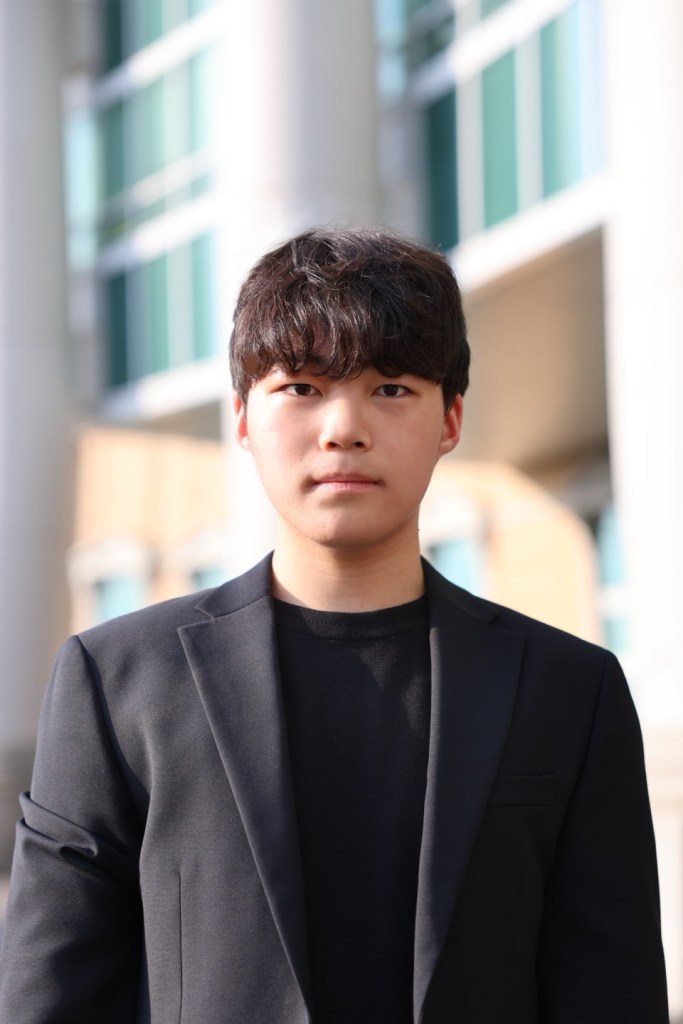
CO-CHAIR – Sejun Kim
Dear Delegates,
Welcome to CSIAMUN XVIII. I’m Sejoon Kim, a junior at Cheongshim International Academy, and I have the privilege of serving as the Chair of the World Health Organization this year.
With a long-standing passion for medicine, I’ve always been drawn to the intersection of science, ethics, and humanity. In committee, I aim to bring not only the analytical mindset of a researcher but also the composure of a crisis responder and the flexibility of a diplomat. My hope is that this space becomes one where bold ideas are met with open minds, and where every voice contributes to building something meaningful.
Throughout this conference, I encourage you to engage fully — not just in debate, but also in moments of collaboration, curiosity, and connection. Whether it’s your first MUN or your final one, may this experience challenge your thinking and broaden your perspective.
Looking forward to the discussions ahead,
Sejoon Kim

CO-CHAIR – Jinwon Hong
Greetings,
It is in my utmost honor that I stand as the Chair of CSIAMUN XVIII’s World Health Organization (WHO) department. As we spend our time bringing meaningful discussions together, I pledge here to the best of my abilities to support you. Note, that we are a network of communities that overlap with this event, thus it is our responsibility to help each other in time of need. Without hesitation, our department will seek the best answer to your questions.
The WHO department aims to develop the minds of youthful delegates, enhancing the technical knowledge learned in classes. We hope that you can bring forth all your hard work during previous school years, decorating our conversations with meaningful, logical, sentimental and compelling stories.
Respectively, Jinwon Hong
 CSIAMUN